A saffron flower is only at its best for a few hours. Everything that happens in that window, or fails to, decides whether a batch reaches Grade I long before any lab ever sees it. “Hand-harvested” is the part every saffron seller mentions. What happens in the hours immediately after is the part that actually determines quality, and it's the part most labels leave out.
Why the clock starts at dawn
Saffron crocuses are picked before the flowers fully open, in the first few hours of light. Direct sun and rising heat degrade the same three compounds covered in our piece on crocin, picrocrocin and safranal, so a flower left in the field even until mid-morning can show a visible loss of colour in its stigmas. This isn't tradition for its own sake. It's the first quality checkpoint, and it happens before a single stigma has been separated from the flower.
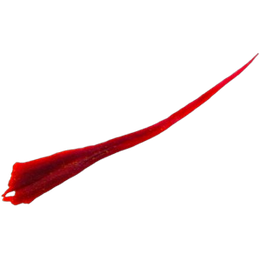
Separating the stigmas: the part no machine does
Each flower holds exactly three stigmas, and they're removed by hand, one flower at a time. It's slow work: roughly 45 to 60 minutes of hand-cleaning for every gram of final saffron. No mechanical process reliably tells a stigma tip from the paler style beneath it, which is why this step has stayed manual across essentially every serious saffron-producing region. It also has to happen the same day as harvest. Stigmas left sitting, even briefly, start losing moisture control and the freshness that drying is meant to lock in.
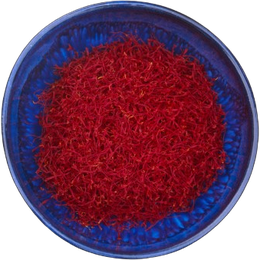
Why drying can't wait, and can't rush either
Once separated, the stigmas need to be dried quickly, and within a fairly narrow temperature window. Research on saffron drying conditions points to roughly 35°C to 45°C, with humidity kept low, as the range that best preserves the compounds responsible for colour and aroma; push meaningfully past that and the process shifts from gentle, enzyme-driven drying to straightforward heat damage, leaving saffron that still looks red but has lost much of its depth. Dry too slowly, or leave stigmas in open air for days the traditional way, and there's a real risk of mould or microbial contamination before the moisture content drops far enough. The target is under 12% residual moisture, low enough to stop degradation, without pushing the temperature high enough to scorch the compounds that give saffron its character in the first place.
What this means when a label says “hand-harvested”
This is why the phrase means very little on its own. Hand-harvesting only protects quality if what happens next, same-day separation and carefully controlled drying, is done properly too. A flower picked at dawn and then left for two days before drying has already lost much of what made the early harvest worth doing. It's also why RedGold88™ Extract and Reserve Threads come from the same batch of hand-harvested, same-day-dried saffron rather than separate sourcing: the process that earns Grade I happens once, before the saffron is ever divided into whole threads or concentrated into extract.
Two ways to buy saffron from that same process
If you're taking saffron for mood, calm, or sleep, RedGold88™ Extract concentrates that same carefully dried saffron into a standardised 50:1 dose, one capsule a day. If you're cooking, Reserve Threads keeps it whole, so you can see the quality of the drying for yourself, deep colour, intact threads, no dust or fragments.