Saffron costs more than gold, ounce for ounce. That isn't a marketing line, it's what it takes: roughly 150 flowers, each hand-picked, each yielding three fragile stigmas, to produce a single gram. What that effort buys you comes down to three compounds. Crocin gives saffron its colour. Crocetin carries its effects into the body. Safranal gives it its scent. Between them, they're also exactly what a lab checks to tell real, potent saffron from something dyed, cut, or diluted, which matters more than most buyers realise, because saffron is one of the most faked ingredients in the world.
The Pigment: Crocin
The carotenoid behind saffron's signature deep red. It's also the most studied of the three for its interaction with serotonin, the neurotransmitter most closely tied to steady, even mood.
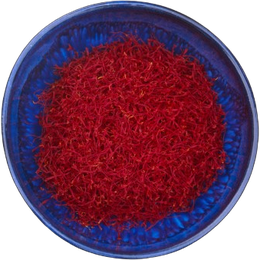
Crocin is what makes a few threads capable of colouring an entire pan of stock or a cup of milk within minutes, and it's the first thing a lab measures when grading a batch. Dyed threads can fake the colour. They can't fake a genuine crocin reading, which is why we test for it rather than simply trusting how red something looks in the jar.
The Carrier: Crocetin
A smaller, fat-soluble compound able to cross the blood-brain barrier more readily than most plant compounds, one reason researchers believe saffron's effects reach the brain at all.
As crocin is absorbed, it converts into crocetin, and that conversion is the step that actually carries saffron's studied effects past the blood-brain barrier rather than leaving them in the bloodstream. It's a large part of why the extract in RedGold88™ Extract is standardised the way it is, so that conversion has a consistent amount of crocin to work with, capsule after capsule.
The Aroma: Safranal
The essential oil behind saffron's distinctive scent, and the compound researchers have linked to GABA, the nervous system's own calming pathway.
Safranal only really forms once saffron is dried, as heat converts a related compound, picrocrocin, into the aromatic oil you smell the moment a jar opens. Dried too aggressively, that aroma turns flat or scorched. Dried properly, within hours of harvest, it stays complex and full, which is one of the smaller, easy-to-miss reasons the same day, hand-harvest process matters as much as it does.
What this looks like as a number
These three compounds are the actual basis of ISO 3632, the international saffron grading standard. A sample is read on a spectrophotometer at three wavelengths: 440nm for crocin, 257nm for picrocrocin, and 330nm for safranal. To reach Category I, the top of the scale, a batch needs a colouring strength of at least 190, a flavour strength of at least 70, and an aroma strength between 20 and 50. Miss any one of the three and the grade drops, regardless of appearance.
This is exactly why we test the way we do, rather than asking you to take a description on faith. RedGold88™ Extract is made from the same ISO 3632 Grade I saffron sold as Reserve Threads, independently tested by Eurofins UK, with a crocine (colour strength) value of 241, well clear of the Category I minimum. That Certificate of Analysis is published on the product pages, not just referenced in copy.

How to avoid paying premium prices for something that isn't
Saffron fraud is common enough that it's worth knowing what to watch for: dyed corn silk or safflower sold as threads, turmeric or paprika cut into powder, oil or glycerin added to inflate weight. None of these produce a genuine crocin, picrocrocin, or safranal reading, which is exactly why colour and smell alone aren't reliable ways to judge quality, however convincing they seem in the jar.
The reliable check is simple to ask for: an ISO 3632 grade backed by an actual lab certificate, not just a grade printed on the packaging. If a seller can't show you one, that's the answer.
Which one is right for you
If you're taking separate supplements for mood, calm, and sleep, RedGold88™ Extract replaces them with one capsule a day, a standardised 50:1 dose of crocin and crocetin, no measuring or steeping required. A bottle lasts two months, from £0.25 a day. If you're cooking, Reserve Threads keeps all three compounds whole and intact until the moment you use them, which is what lets a pinch, steeped properly, colour and perfume an entire dish. Many people use both: capsules for the daily habit, threads for the kitchen.