Most of the saffron lost in a home kitchen isn't lost to a bad batch. It's lost to timing. A study on saffron's culinary processing found that extended cooking measurably reduces both crocin and safranal, the compounds behind saffron's colour and aroma, while picrocrocin, the bitterness compound, stays comparatively stable across the same cooking time. Add saffron with the first ladle of stock into a simmering pan, which is how most recipes still tell you to do it, and you're cooking off more colour and aroma than the dish needs to lose.
The rule behind every technique below
Bloom saffron separately in warm, not boiling, liquid, and add it late rather than early. That's the whole principle. Everything specific to paella, risotto, or a simple broth is really just that rule applied to a particular dish.

Paella
Crush your threads, then infuse them in a small amount of warm liquid, somewhere in the 60 to 80°C range, well short of boiling, for fifteen to twenty minutes. As a rough guide, a small pinch, around fifteen to twenty threads, is enough for four servings. Add the infusion after the stock has gone into the pan and the broth has formed, not into the oil at the start with the sofrito. Saffron added directly to hot oil is also more likely to scorch, dulling both colour and aroma before the rice ever sees it.
Risotto
The timing matters even more here, since risotto alla Milanese has almost nothing else to hide behind. Bloom your threads in a few tablespoons of warm stock for fifteen to twenty minutes before you start cooking, exactly as with paella. Then stir that infusion in during the final three to four minutes of cooking, or even off the heat entirely during the finishing stage, rather than with the first ladle of stock. Added early, saffron will still colour the rice, but you'll lose much of the aroma that makes the dish worth making in the first place.
Broths, soups and pasta sauces
The same principle holds for anything with a liquid base. Bloom the threads separately in a small amount of warm stock or water, then stir the infusion into the dish once it's off the highest heat, or in the last few minutes of a gentle simmer. Adding whole dry threads straight into a pot that's actively boiling is the least effective way to use saffron: some colour will eventually leach out, but a meaningful share of the aroma won't survive the heat or the time.
Common mistakes worth avoiding
Adding saffron too early is the biggest one, for the chemistry reasons above. Using too much is the second, since a genuinely potent, high-grade saffron needs less than people expect, and oversteeping past what a dish needs can push the flavour towards medicinal rather than fragrant. The third is boiling the infusion itself rather than just warming it, which flattens the aroma before the saffron ever reaches the pan.
Why the saffron itself still matters
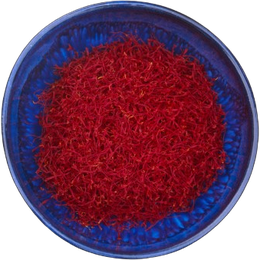
Good timing gets you most of the way there, but it can't manufacture potency that isn't in the thread to begin with. Reserve Threads is ISO 3632 Grade I, tested by Eurofins UK, so a properly timed bloom has something worth extracting. Lower-grade or adulterated saffron, timed perfectly, still won't produce the colour or depth that grade is built to deliver.