Saffron has quietly become part of how many women manage the menopause transition, sitting alongside sleep habits, movement and medical guidance rather than replacing any of them. That is a fairly recent shift, and it is one backed by clinical trials rather than anecdote alone.
A season of change, not a switch that flips
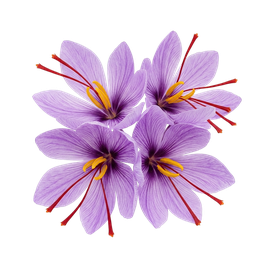
Perimenopause and menopause can stretch across a decade or more. Oestrogen does not decline in a straight line, it fluctuates, and those fluctuations are closely tied to mood regulation, sleep architecture and temperature control. This is why so many women describe the emotional symptoms as harder to predict than the physical ones. A good week can be followed by a difficult one for no obvious reason. Saffron has drawn attention in this space because its active compounds, crocin and safranal, interact with the same serotonergic pathways that are disrupted during hormonal change.
What the research actually shows
A randomised, placebo-controlled trial published in Archives of Gynecology and Obstetrics gave postmenopausal women with major depressive disorder a standardised saffron extract over six weeks. The saffron group showed a significantly greater reduction in depressive symptoms than the placebo group, alongside an improvement in hot flush severity. A separate trial in the Journal of Menopausal Medicine tested a standardised saffron extract specifically for perimenopausal symptoms and found meaningful improvement in a validated menopause symptom score compared with placebo. Neither trial claims saffron as a cure. Both point to a measurable, statistically significant effect that is consistent with what saffron appears to do elsewhere, support the biochemical pathways involved in mood and sleep regulation.
Where it fits into a routine
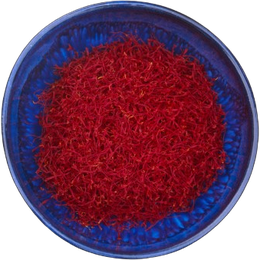
This is one of the reasons RedGold88™ Extract exists as a daily ritual rather than an occasional remedy. The research behind saffron and menopausal symptoms used consistent, standardised dosing over a period of weeks, not an occasional cup when things feel difficult. A single stigma steeped once will not replicate a clinical dose. This is precisely the gap RedGold88™ Extract was built to close, an ISO 3632 Category I sourced extract, standardised for crocin and safranal content, taken as part of a daily routine rather than as an emergency measure.
What we would say to a friend
Saffron is not a replacement for hormone replacement therapy, and it should not be treated as one. If you are managing menopausal symptoms, particularly if you are already on HRT or any other medication, speak with your doctor before adding a new supplement, saffron included. What the research does suggest is that saffron can be a reasonable, well-evidenced addition to a broader approach to this transition, alongside sleep, movement and medical guidance where needed. We hear from customers navigating perimenopause fairly often, and the pattern in their feedback lines up with what the trials describe, steadier mood, more predictable sleep, over weeks rather than days.